Before Nigeria can transition, it needs energy it can actually use
Dr Ayodele Oni argues that gas in the ground is not energy, and that the transition changes the test for Nigerian oil and gas rather than ending the work.

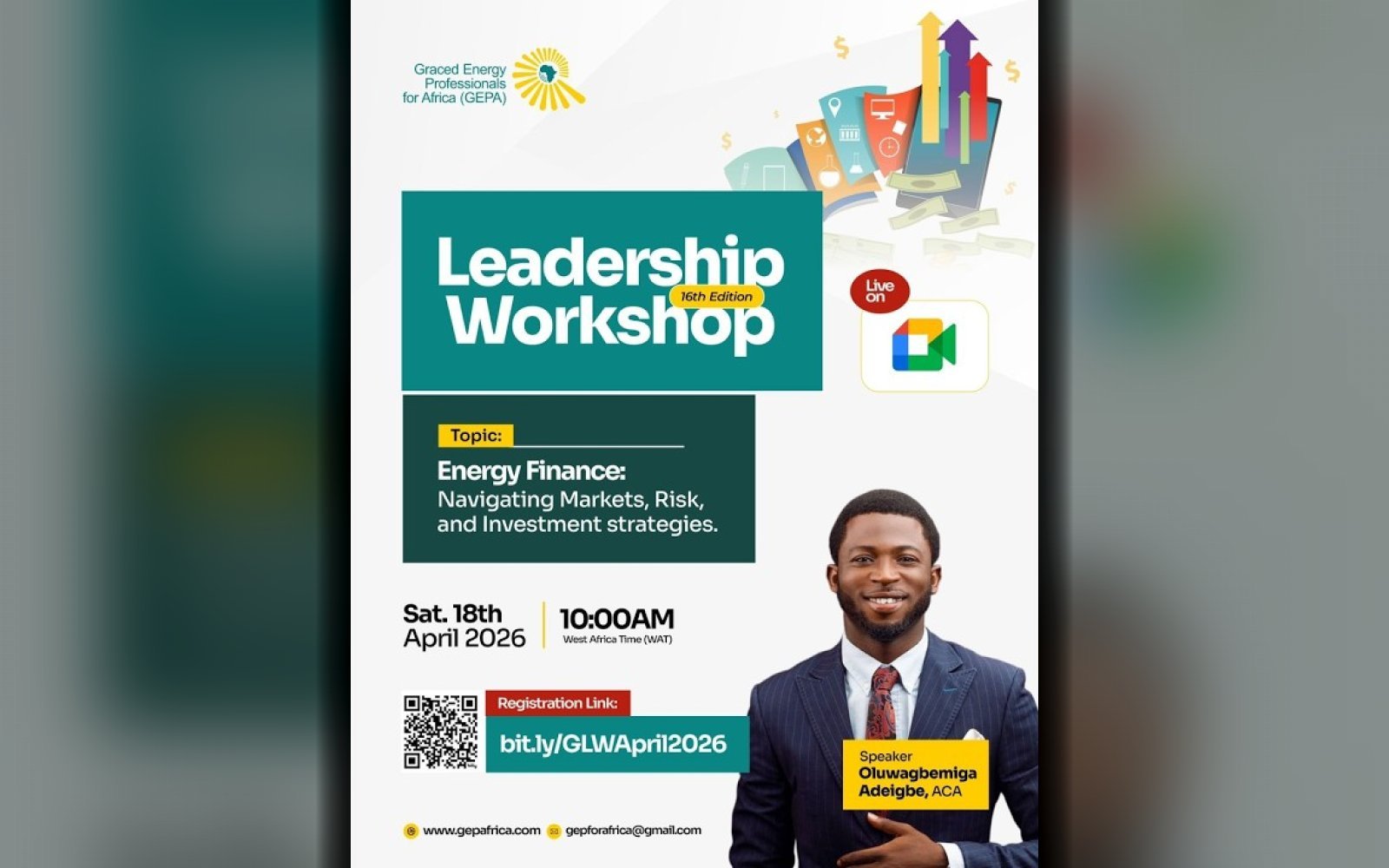
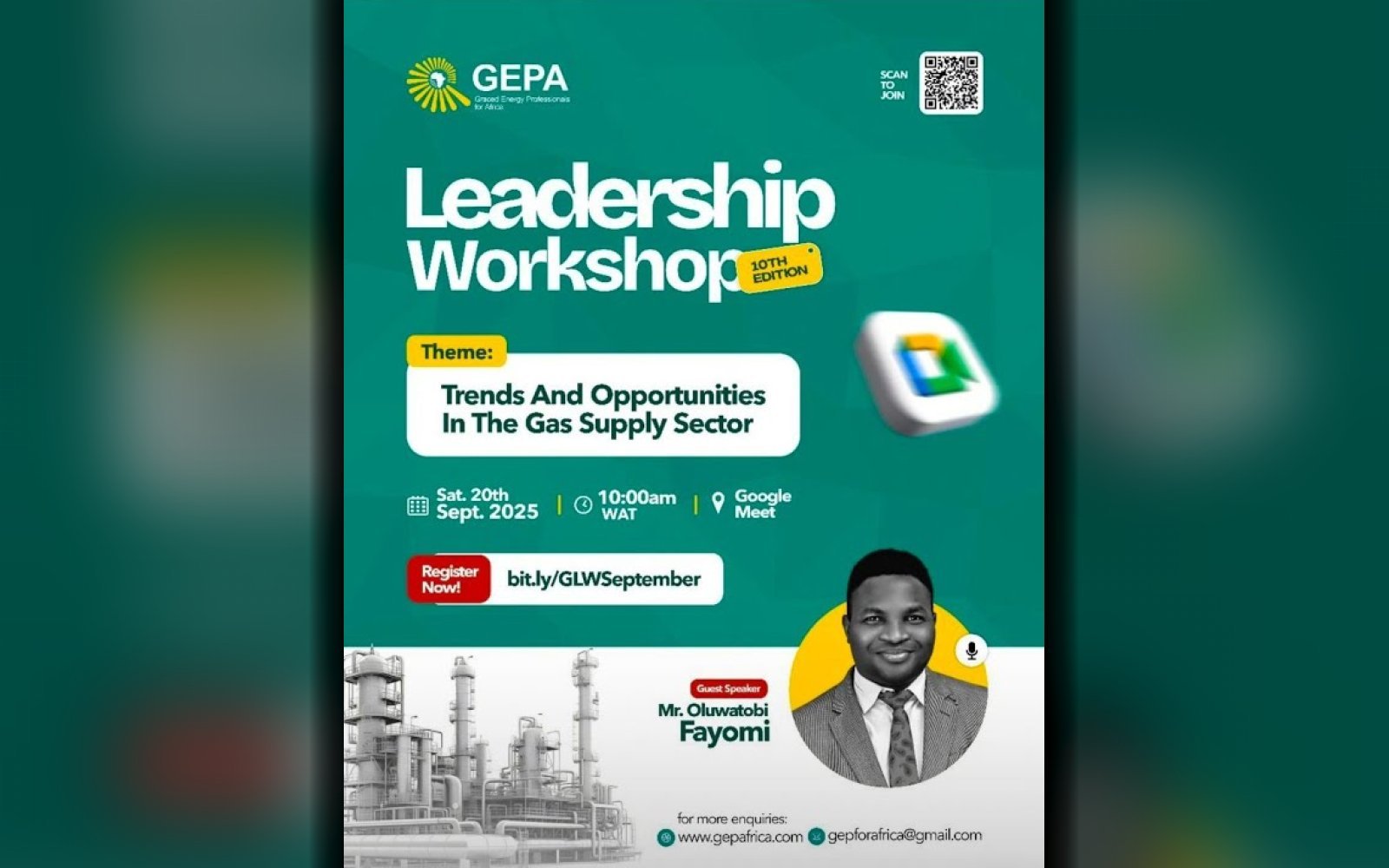
Dr Ayodele Oni, partner and chair of the energy and natural resources practice group at Bloomfield LP, asked his GEPA workshop whether Nigeria really has usable energy to transition from. The country holds large gas reserves, but gas in the ground is not energy. Without pipelines, processing plants and virtual pipelines, it is only gas.
The eastern pipeline system, close to where most gas is produced, ran separately from the western one, where the industrial users are. Gas could hardly reach that demand until the two systems were interconnected and AKK extended supply towards Kaduna.
Energy addition comes first
Oni says he is only half persuaded by the energy transition, and at times finds the way the western world presents it self-serving, since the West returns to coal and wood when it suits it. He puts energy addition and a just transition first, because capping gas without adding usable energy would push the country backwards. Gas, in the familiar Nigerian phrase, is the transition bus stop: the place you get off before walking the rest of the way home.
Net zero, he explains, does not mean emissions have stopped. It means that what is emitted and what is removed are equal, which depends on carbon capture and sequestration as much as on cutting emissions.
The test has changed, not the work
Oni's central thesis is that the transition does not end oil and gas work. It changes the test that credible leadership has to pass. The old question was whether hydrocarbons could be produced, transported and sold at a profit. The new one asks whether energy can be supplied in a way that is reliable, bankable, low in emissions, socially legitimate and resilient to changes in policy.
Of the constraints on projects, he treats finance as the binding one. Local debt at 22 per cent is already expensive and 33 per cent is unbearable, while a competitor abroad may raise the same sum at 2 to 5 per cent over a longer tenor. Banks that apply the Equator Principles will not fund a project that fails them.
Land issues, community disputes, FX exposure, tariff uncertainty, slow approvals and security risk add further delay, and a technically sound project can still fail socially. Of the overlap between upstream, midstream, electricity and environmental regulators, and between federal and state markets, he said some is good and some problematic. Oni's answer is that each of these problems is also a line of work. The harder the problem, the more someone can charge for solving it, and most of that fee is for knowing what to do.
Where the openings are
He maps the openings across the gas, power and carbon value chains:
- LPG and clean cooking, which displace biomass and kerosene, and which he calls the lowest hanging fruit in gas for newcomers.
- CNG for transport, alongside a growing number of mini LNG and CNG projects.
- Mini grids and distributed energy, in areas where extending the national grid has no economic basis.
- Carbon markets and the measurement they depend on: independent verification, meter audits and ESG assurance.
- Power for data centres, whose clients are buying reliability, not merely electricity.
He is explicit that this is not only work for lawyers. Economists, engineers, traders and communicators all have roles. Answering a participant from South Africa, he suggested thinking in time buckets: CNG and LPG for the next five years, then solar, renewables and carbon trading over a ten to fifteen year horizon.
In his experience, visibility pays slowly. He wrote a newspaper column for ten years, and in the third or fourth year an international oil company that had read one of his articles commissioned an expert opinion that paid four times what he needed at the time. The session's host closed on the same theme: start with knowledge, make the interest visible, and connect people who need each other, rather than waiting for conditions that will never be perfectly clear.
The full course goes further into gas contracting, the move from bespoke transportation agreements to a network code, and the production and flaring figures behind the argument. It is in the catalogue.